CBT for Autistic Kids in Toronto
As a parent, you want your child to feel confident, calm, and capable. But, for children on the autism spectrum, managing emotions and behaviour can sometimes feel like an uphill climb. Cognitive Behavioural Therapy (CBT) is a practical, evidence-based approach that helps children understand their thoughts, feelings, and actions, and how they connect.
At Mini Minds, we use CBT to help autistic kids in Toronto build stronger emotional and behavioural foundations, so they can thrive at home, in school, and in life.
What Is Cognitive Behavioural Therapy (CBT)?
CBT is a goal-oriented therapy that teaches children to recognize and reframe unhelpful patterns in their thinking. It helps kids notice when they’re feeling anxious, frustrated, or stuck, and learn practical strategies to manage those emotions more effectively.
While CBT is commonly used for anxiety and mood concerns, it’s also highly effective for children with autism. The key is adapting it to each child’s needs, using visual supports, concrete examples, and structured routines to make abstract ideas more understandable and engaging.
How CBT Helps Children on the Autism Spectrum
For many autistic children, emotional regulation and flexible thinking are areas of challenge. CBT gives them tools to better understand what they’re feeling, why they’re feeling it, and how to respond in ways that feel safe and empowering.
Improved Emotional Awareness
Therapists help children identify emotions and connect them to real-life experiences. Over time, this builds emotional vocabulary, helping kids recognize, label, and express feelings in healthy ways.
Reduced Anxiety and Frustration
CBT helps children notice negative or fearful thoughts before they escalate. By learning coping strategies such as deep breathing, mindfulness, or reframing situations, they begin to replace anxiety with confidence and control.
Better Problem-Solving and Flexibility
Children practice thinking through challenges step by step. Whether it’s a disagreement with a friend, a change in routine, or difficulty focusing. These exercises build resilience, adaptability, and calm decision-making.
Healthier Behavioural Responses
When children understand the connection between thoughts, feelings, and actions, they can begin to replace impulsive reactions with thoughtful choices. This helps improve behaviour both at home and in structured settings like classrooms.
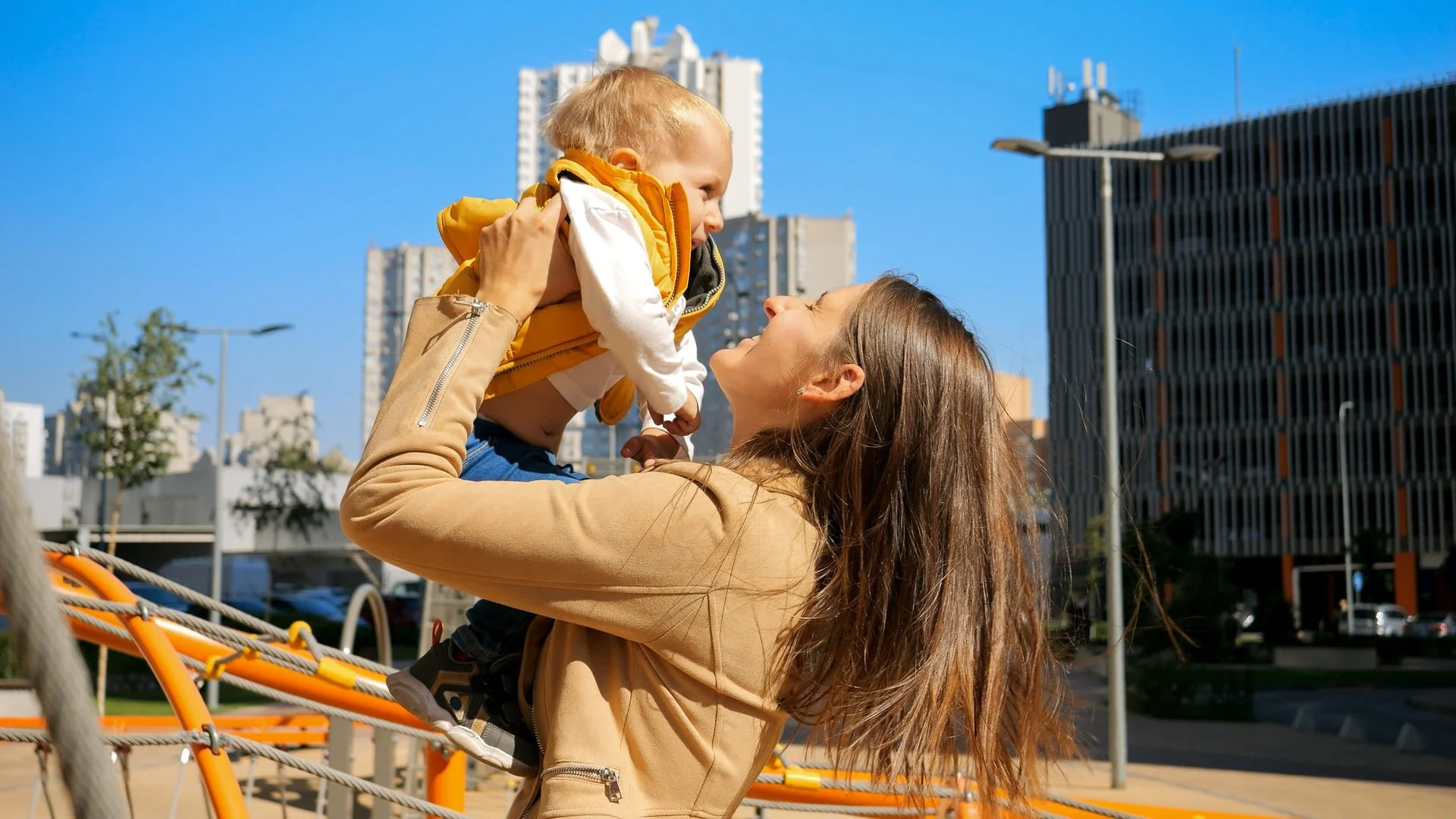
Parent partnership is at the heart of CBT. At Mini Minds, we help families build confidence, understanding, and emotional connection every step of the way.
Why Families Choose Mini Minds for CBT in Toronto
At Mini Minds, we offer compassionate, personalized CBT designed specifically for children with autism and other developmental differences. Our approach combines structure and warmth, ensuring every child feels supported, understood, and motivated to grow.
Personalized sessions tailored to each child’s age, interests, and goals
Experienced therapists who specialize in CBT and autism support
Family involvement to reinforce progress at home
Practical strategies that fit naturally into daily routines
In-person or hybrid options across Toronto and the GTA
CBT vs. ABA: Complementary Approaches
Many families wonder whether they should choose CBT or ABA therapy. In truth, the two approaches can work beautifully together. While ABA focuses on building practical skills through positive reinforcement, CBT emphasizes self-awareness and emotional understanding. Together, they create a holistic framework for both learning and growth.
At Mini Minds, our team integrates the best of both methods when appropriate — ensuring autism therapy in Toronto feels cohesive and supportive across every area of your child’s development.
What to Expect from CBT Sessions
CBT at Mini Minds is interactive and child-led, with a focus on trust, encouragement, and small wins that build over time.
Collaborative Assessment
We start with a conversation to understand your child’s unique needs, goals, and challenges. Parents are active partners in this process, helping us paint a complete picture of your child’s world.
Personalized Plan
Each CBT plan is tailored to your child’s emotional and behavioural profile, targeting areas such as anxiety, frustration tolerance, communication, or self-esteem.
Engaging Sessions
Therapy often includes play-based activities, visual tools, and stories to make complex concepts relatable. Every lesson connects to real-life situations your child experiences daily.
Parent Involvement
We provide guidance, progress updates, and easy-to-use strategies that parents can practice at home, turning therapy into a team effort that supports long-term change.
Who Can Benefit from CBT?
CBT is ideal for children on the autism spectrum who experience:
Anxiety or worry about routines, school, or social interactions
Emotional outbursts or frustration when things don’t go as planned
Difficulty expressing feelings or understanding others’ emotions
Low self-esteem or frequent self-critical thoughts
Rigid thinking or trouble adjusting to change
Even small gains in self-awareness and confidence can have a profound impact, helping your child feel more capable and connected every day.
CBT vs. ABA Therapy: Which Does My Child Need?
This is one of the most common questions parents ask when they start exploring therapy options, and the answer is less of an either/or than you might expect.
ABA therapy in Toronto (Applied Behaviour Analysis) builds practical skills through structured positive reinforcement. It is particularly effective for developing communication, daily living routines, reducing challenging behaviours, and strengthening social skills through consistent, goal-oriented practice. ABA works by breaking skills into manageable steps and reinforcing progress along the way.
CBT focuses on something different: the internal connection between how your child thinks, how they feel, and how they act. For children who are dealing with anxiety about routines or social situations, emotional outbursts tied to rigid thinking, or difficulty understanding why they feel the way they do, CBT provides tools to recognize those patterns and respond differently. It is about building self-awareness and emotional flexibility alongside practical coping strategies.
These approaches are not in competition with each other. Many children benefit from both. CBT tends to be most effective for children who have developed enough language and self-awareness to engage with the cognitive components, typically around age seven and older, though this varies. For younger children or those still building foundational communication skills, ABA is usually the starting point.
At Mini Minds, Amy integrates CBT and ABA when the combination is the right fit for your child. You do not need to choose between them before your first conversation. Start with a free consultation and that question will become much clearer.
CBT Therapy in Toronto and the GTA
Mini Minds provides CBT therapy across Toronto and the Greater Toronto Area, including Scarborough, East York, North York, Pickering, and surrounding communities. Whether in person or online, we make therapy accessible, effective, and genuinely supportive for every family we serve.
Learn more about our personalized CBT and behavioural therapy programs and discover how we can support your child’s emotional growth and development. And, get answers to all your questions (big and small) with our comprehensive FAQs.
Every child deserves to feel confident, understood, and empowered. Let’s work together to create a therapy plan that supports your child’s goals and your family’s needs.
FAQs About CBT for Autistic Children in Toronto
For more detailed answers, visit our frequently asked questions page.
What age can children start CBT therapy?
CBT is generally most effective for children who have developed enough language and self-awareness to engage with the connection between thoughts, feelings, and actions. In practice, this typically means children seven years and older, though Amy adapts the approach based on each child's individual developmental stage. For younger children or those with more limited expressive communication, ABA or play-based methods are often the more accessible starting point, with CBT introduced as communication skills develop.
How is CBT adapted for children with autism?
Standard CBT was developed for neurotypical adults and relies heavily on abstract thinking and verbal reflection, which can be genuinely difficult for many autistic children. Autism-adapted CBT addresses this directly. Amy uses visual supports, concrete real-life examples, structured routines, and simplified language to make the relationship between thoughts, feelings, and behaviour tangible and accessible. The goal is to translate abstract concepts into something your child can see, understand, and practice in their actual daily life.
How many CBT sessions will my child need?
CBT is goal-oriented and typically more time-limited than ongoing ABA programming. Many children working on specific challenges like anxiety or emotional regulation see meaningful progress over 12 to 20 sessions, though this varies significantly depending on the presenting concerns and the child's engagement with the process. At Mini Minds, the pace is always guided by your child's needs and your family's goals, not a fixed program length. Amy discusses what to expect and how progress will be tracked during the initial consultation.
Can CBT be done at home or online in Toronto?
Yes. Amy delivers in-home CBT sessions across Toronto and the GTA, working in the environment where your child is most comfortable and where the skills are most relevant. For families with scheduling constraints or those who live further from the city, virtual sessions are available and effective for a wide range of CBT goals. The format that works best for your family is worth discussing when you book your initial consultation.
Amy Simon is the founder of Mini Minds and a Senior Behaviour Therapist with over 15 years of hands-on experience supporting children with autism, Asperger's syndrome, and ADHD across Toronto and the GTA. Amy holds a Child and Youth Worker (CYW) credential and is trained in Applied Behaviour Analysis (ABA), Cognitive Behavioural Therapy (CBT), and play-based therapy. She works directly with every family that comes to Mini Minds. Learn more about Amy's approach at miniminds.ca/about.