Finding the Best Autism Therapist in Toronto: A Parent’s Guide

Finding the best autism therapist can feel overwhelming, especially when you’re navigating new diagnoses, learning about different therapies, and figuring out what will help your child thrive. In Toronto and the Greater Toronto Area, there are many options. But, not all therapists or approaches are the same. The right match can make a big difference in your child’s progress and your family’s experience.
As someone who’s worked with children and families for more than 15 years, I know that therapy is not just about techniques and programs. It’s about building trust, creating a safe space, and finding an approach that works for each child’s unique strengths and needs.
Why the Right Autism Therapist Matters
An autism therapist is more than a professional delivering services. They are a guide, a supporter, and often a key part of your child’s development journey. The right therapist can help your child develop new skills, improve communication, and feel more confident in social situations.
In my experience, progress happens when therapy is personalized, consistent, and grounded in compassion. Parents also need to feel comfortable and supported — because when the whole family is involved, therapy is far more effective.
What to Look for in an Autism Therapist
Credentials and Training
Look for therapists who are registered or certified in their areas of expertise, such as Registered Behaviour Analysts (RBAs), Registered Behaviour Technicians (RBTs), or professionals with advanced training in autism interventions. In my case, I’m trained in ABA, CBT, and play-based therapy, which allows me to adapt sessions to suit a child’s learning style and personality.
Experience Across Settings
Children learn and behave differently depending on the environment. That’s why it’s valuable to choose a therapist who can work in a variety of settings — at home, in school, at daycare, or online. This flexibility helps children generalize skills to real-life situations.
Therapeutic Approach
No two children are the same, so no therapy plan should be either. Ask about the therapist’s preferred methods and how they decide which approach to use. I often blend structured ABA strategies with play-based therapy, which can keep children engaged while working toward developmental goals.
What Credentials Should an Autism Therapist in Toronto Have?
Credentials are one part of choosing the right autism therapist, but they are not the only part. Understanding what different titles actually mean will help you ask the right questions.
A BCBA (Board Certified Behaviour Analyst) is a graduate-level certification recognized internationally. BCBAs are trained to design and supervise ABA programs and are required to supervise OAP-funded services in Ontario. Many families search specifically for BCBA-led therapy because it has become the standard credential associated with ABA.
A RBA (Registered Behaviour Analyst) is an Ontario-specific registration through the College of Psychologists and Behaviour Analysts of Ontario. It carries similar training requirements to the BCBA and is a recognized professional designation in the province.
A CYW (Child and Youth Worker) is a front-line child and youth support credential with a strong focus on relationship-based, practical care for children navigating developmental and behavioural challenges. Senior Behaviour Therapist is an experience-based designation built through years of direct clinical practice rather than a specific examination pathway.
Credentials establish training background. They do not, on their own, determine whether a therapist is the right fit for your child. The questions you should also be asking: How much direct, hands-on experience does this person have? Who will actually be in the room with my child at every session? How do they measure and communicate progress? Learn more about Amy's background and approach.
Questions to Ask Before Hiring an Autism Therapist in Toronto
The initial consultation is your opportunity to understand exactly what you are choosing. A good therapist will welcome every question you bring. Here are eight questions worth asking before you commit:
1. Who will be working directly with my child at every session? In many multi-therapist agencies, the lead BCBA designs the program but a behaviour technician delivers the sessions. Know who your child will actually see week to week.
2. How will you measure and communicate my child's progress? Progress should be tracked systematically and shared with families on a regular basis, not just discussed verbally when asked.
3. What does a typical session look like, and how long are sessions? Therapy should feel purposeful and structured, not improvised. Ask for a clear picture of the format and duration before you start.
4. Are you available to meet with my child's teachers and school staff? For children who also receive support in school, collaboration between therapist and educators makes a measurable difference in outcomes.
5. How do you involve parents between sessions? Parent coaching is not optional in effective ABA. The strategies learned in sessions need to be practiced consistently at home.
6. How do you adjust the program if something is not working? ABA is data-driven. If a goal or strategy is not producing results, the plan should change. Ask how that process works.
7. What is your approach to challenging behaviour? Do you use any punishment-based methods? Effective, ethical ABA focuses on positive reinforcement and understanding the function of behaviour, not punishing it away.
8. What happens if my child does not connect with you? Therapeutic rapport is essential. A good therapist will have a clear, honest answer to this question.
The answers to these questions will tell you more about fit than credentials alone. If you are ready to ask them, start with a free consultation.
Red Flags to Watch for When Choosing an Autism Therapist
Not every provider will be the right choice for your family. These are the patterns worth being cautious about when evaluating your options.
Rotating staff. Your child benefits most from a consistent therapeutic relationship. Frequent staff changes interrupt rapport and continuity, which undermines the progress being built.
No parent involvement. Sessions that happen behind closed doors, with no coaching or communication for the caregivers at home, limit how far the work can generalize. Parents are not passengers in this process.
Standardized programs. Every child is different. A program that looks identical for each child is not tailored to yours. Ask specifically how the plan was built around your child's individual goals and environment.
Guaranteed timelines or outcomes. Ethical therapists do not promise specific results within specific timeframes. Progress is real but variable, and anyone who tells you otherwise is overpromising.
Rigid single-modality thinking. Families often benefit from therapists who can integrate approaches when the child's needs call for it. A therapist who refuses to consider any method beyond their primary framework may not be the right long-term fit.
No pressure-free initial consultation. The first meeting should be about understanding your child and building trust, not closing a sale.
Difficulty reaching the therapist between sessions. Ongoing accessibility matters, especially when a child is going through a new challenge or transition.
Understanding ABA Therapy in the GTA
Applied Behaviour Analysis (ABA) is one of the most widely researched and effective interventions for children with autism. ABA therapy focuses on teaching new skills and reducing behaviours that may interfere with learning or social interaction.
How ABA Works
ABA breaks down skills into manageable steps, using reinforcement to encourage progress. Sessions can target communication, social interaction, self-care, and academic skills.
ABA in Toronto and the GTA
In the Greater Toronto Area, families can access ABA therapy in Toronto through private clinics, home-based services, and school programs. At Mini Minds, we bring therapy to wherever it works best for your child — whether that’s your living room, their classroom, or an online session.
Benefits for Children
Research and real-world experience show that ABA therapy can improve independence, reduce anxiety, and help children participate more fully in daily life.
Flexible Therapy Options in Toronto
At Mini Minds, we know that families are busy and children’s needs vary. That’s why we offer therapy in multiple settings:
In-Home Autism Therapy
Convenient, comfortable, and familiar — perfect for practicing skills in everyday environments.
In-School or Daycare Sessions
Therapy can be integrated into the school day, supporting learning and social skills in real time.
Virtual Autism Therapy Options
For some children, online sessions can be just as effective as in-person visits. Virtual therapy also helps families who live farther away or have scheduling challenges.
How Mini Minds Supports Families in the GTA
We’ve worked with families across Toronto and the GTA for over 15 years. Here’s what sets us apart:
Personalized therapy plans designed around each child’s needs, strengths, and goals.
Flexible locations: in-home, in-school, at daycare, or online.
A compassionate, family-centered approach that makes therapy a positive experience.
Competitive rates and transparent pricing.
A free, no-obligation consultation with me, Amy, so you can ask questions and see if we’re the right fit.
Questions to Ask Before You Start
Choosing the right therapist is a personal decision. Here are some questions I recommend asking:
What experience do you have working with children who have similar needs to my child?
How do you measure progress and involve parents in the process?
Can therapy sessions be adjusted if my child’s needs change?
How do you keep therapy engaging for children?
FAQs About Finding an Autism Therapist in Toronto
How long is the waitlist for autism therapy in Toronto?
For publicly funded services through the Ontario Autism Program (OAP), waitlists in the GTA currently run five years or longer in many cases. The gap between the number of families who need support and the availability of funded programs is significant and growing. Private therapy with a provider like Mini Minds has no waitlist. Families can typically begin within days or weeks of their initial consultation, with no approval process required.
Does my child need a formal autism diagnosis to see a therapist in Toronto?
For private therapy, a formal diagnosis is not a prerequisite to booking an initial consultation. If you have concerns about your child's development or behaviour, those concerns are worth discussing regardless of where you are in the diagnostic process. For OAP-funded programs, a formal ASD diagnosis from a qualified professional is required. Most private insurance providers also require a formal diagnosis before reimbursing therapy costs, so it is worth understanding your specific insurance plan.
Can I use OAP funding with any autism therapist in Toronto?
No. OAP funding can only be directed to providers who have been approved through AccessOAP and meet the program's eligibility requirements. Before assuming a provider accepts OAP funding, confirm that status directly with them. Any reputable provider will answer this question plainly.
What is the difference between ABA therapy and general behavioural therapy?
ABA (Applied Behaviour Analysis) is a specific, evidence-based science of behaviour change grounded in decades of research. It uses structured reinforcement, data collection, and individualized goal-setting to build meaningful skills. "Behavioural therapy" is a broader term that can refer to many different frameworks and does not always imply the same level of rigor or structure. CBT therapy (Cognitive Behavioural Therapy) is a distinct but complementary approach that focuses on the relationship between thoughts, feelings, and behaviour and is particularly useful for anxiety and emotional regulation.
Taking the First Step
If you’re looking for an autism therapist in Toronto or the GTA, I’d love to talk.
You can learn more about our services, read about me, or get in touch to book your free consultation.
There’s no obligation — just a chance to connect, ask questions, and explore what might be best for your child. My consultations are always 100% free of charge.
Every child deserves the chance to thrive. With the right support, they can!
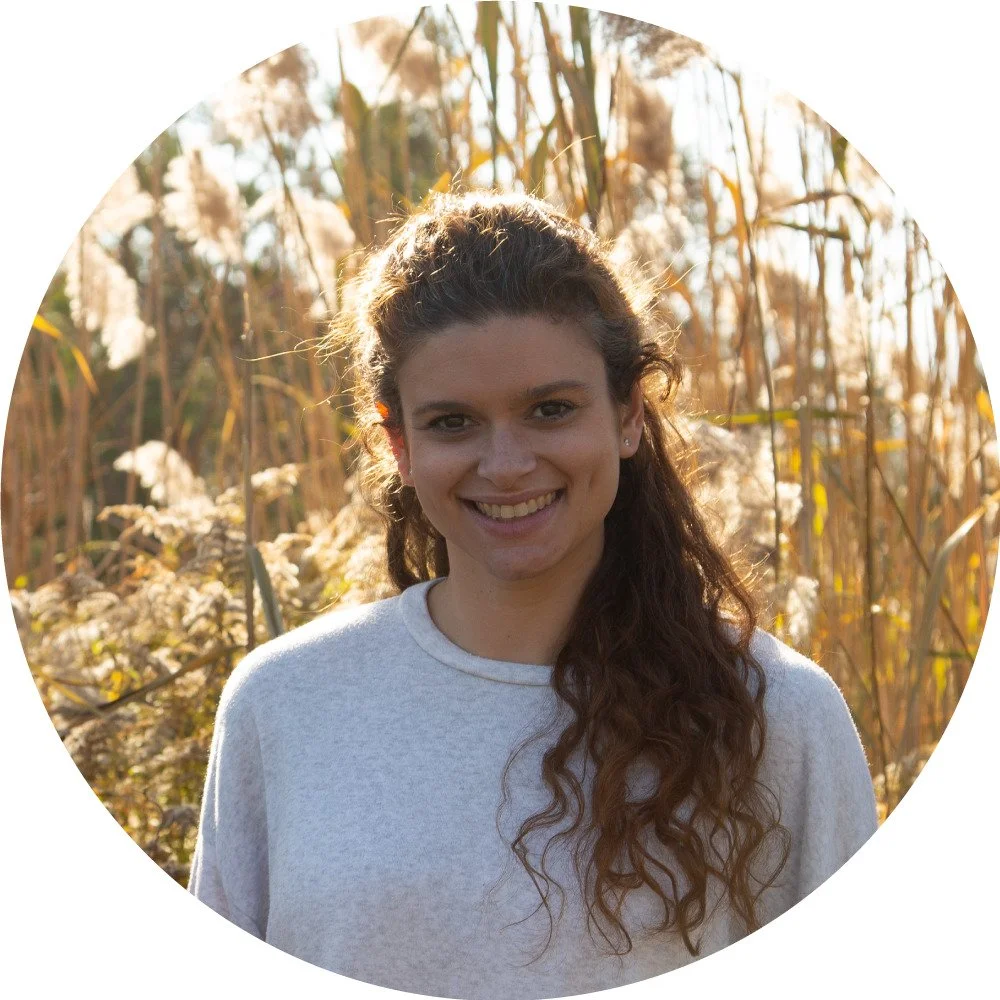
Amy Simon is the founder of Mini Minds and a Senior Behaviour Therapist with over 15 years of hands-on experience supporting children with autism, Asperger's syndrome, and ADHD across Toronto and the GTA. Amy holds a Child and Youth Worker (CYW) credential and is trained in Applied Behaviour Analysis (ABA), Cognitive Behavioural Therapy (CBT), and play-based therapy. She works directly with every family that comes to Mini Minds. Learn more about Amy's approach at miniminds.ca/about.