Autism Therapy in Toronto: A Complete Guide for Parents

Every child deserves the freedom to play, explore, and grow with confidence. At Mini Minds, that joy is the goal of therapy.
If your child was recently diagnosed with autism, you are probably holding a long list of therapy names, acronyms, and provider websites, and very little clarity about what any of it means for your family. I have sat with hundreds of Toronto parents in exactly that moment over the past 15 years. The options feel endless, the waitlists feel impossible, and every site seems to promise the same thing.
This guide is the map I wish every parent had at the start. It explains what autism therapy in Toronto actually involves, the main approaches available, what they cost, how funding really works, and how to choose what fits your child. No jargon, no pressure. Just clear answers so you can make a confident decision.
What Is Autism Therapy?
Autism therapy is a family of evidence-based approaches that help children with autism spectrum disorder build communication, social, emotional, and daily living skills. It is not one single method. The right therapy depends on your child's age, strengths, challenges, and how they learn best.
The goal is never to change who your child is. It is to give them tools to navigate the world more comfortably and to help them thrive on their own terms. Some children need help finding words. Others need support managing big emotions, building friendships, or handling change. A good therapist meets your child where they are and builds from there.
Most families find that support works best when it is tailored rather than standardized. Two children with the same diagnosis can need completely different things, which is w
Types of Autism Therapy Available in Toronto
| Therapy | Best suited for | What it builds |
|---|---|---|
| ABA | Skill-building and behaviour support, all ages | Communication, social skills, daily routines |
| CBT | Verbally expressive children with anxiety or rigid thinking | Emotional regulation, coping strategies |
| Play-Based | Younger children and connection-first learning | Social and communication skills through play |
| Social Skills | Children navigating friendships and group settings | Reading cues, turn-taking, peer interaction |
| Early Intervention | Preschool-age children | Communication, play, emotional foundations |
Toronto families have access to several evidence-based therapy types. Here is what each one does and who it tends to help most.
Applied Behaviour Analysis (ABA)
ABA is the most extensively researched intervention for autism. It builds skills and reduces challenging behaviours by breaking them into small, teachable steps reinforced with encouragement. ABA supports communication, social skills, and daily routines. For a full breakdown, see my guide to ABA therapy in Toronto for autistic children. For younger children specifically, early intervention ABA therapy can make a meaningful difference during the critical early years.
Cognitive Behavioural Therapy (CBT)
CBT helps children understand the link between thoughts, feelings, and behaviour. It is particularly effective for verbally expressive children managing anxiety, rigid thinking, or emotional regulation. My guide to CBT for autistic kids in Toronto explains how it works in practice.
Play-Based Therapy
Play-based therapy teaches social and communication skills through the activities children already love. It feels less like a lesson and more like connection, which is exactly why it works. Learn more about play-based therapy for autism.
Social Skills Development
Many children need direct, gentle coaching to build friendships, read social cues, and navigate group settings. See how I approach social skills development for children with autism.
Early Intervention
Starting support early, during the preschool years, often produces the greatest developmental gains. Early intervention focuses on communication, play, and emotional foundations before challenges compound.
Research consistently finds that early, individualized intervention produces the strongest long-term outcomes across therapy types (National Institute of Mental Health). The takeaway for parents: the specific label matters less than the fit and the consistency.
How to Choose the Right Therapy for Your Child
The best therapy for your child is the one matched to their specific needs, delivered by someone consistent who truly knows them. Use this checklist when evaluating any provider.
Consider your child's age and verbal level. Younger or pre-verbal children often start with ABA or play-based approaches; verbal children managing anxiety may benefit more from CBT.
Decide where therapy happens. In-home and in-school therapy lets children practice skills where they actually use them, rather than in an unfamiliar clinic.
Ask who delivers each session. Many larger clinics assign a senior therapist for assessment, then hand ongoing sessions to rotating junior staff. Ask directly: will my child work with the same person every time?
Look for personalization, not a fixed program. Your child is not a template.
That question about consistency matters more than most parents realize. For a deeper look, read my guide on finding the best autism therapist in Toronto, and see exactly what it's like working with Mini Minds.
How Much Does Autism Therapy Cost in Toronto?
Private autism therapy in Toronto is typically billed at an hourly rate, and total cost depends on how often your child has sessions and which services are included. There is no single sticker price, because no two children need the same plan.
Several factors affect what you pay: session frequency, whether therapy is in-home or online, and whether the rate includes extras like progress reports, parent training, and school meetings. At Mini Minds, my hourly rate covers all of those, and I discuss it openly during the free consultation with no hidden fees.
- Is the hourly rate all-inclusive, or are reports and meetings billed separately?
- Are there minimum session or contract requirements?
- Will I receive detailed receipts for insurance and tax purposes?
- Can we adjust frequency as our budget or needs change?
Many families offset costs through private insurance reimbursement or by claiming therapy as a medical expense on their taxes. I provide the documentation you need for both.
Autism Therapy Funding in Ontario: OAP, OHIP, and Insurance
Here is the honest picture, because funding is where most parents feel the most confusion and frustration.
OHIP does not cover private autism therapy. The province's publicly funded support is the Ontario Autism Program (OAP), which provides funding that families can use only with AccessOAP-approved providers. Mini Minds is a private practice and is not an OAP provider, so my services are paid privately rather than through OAP funding.
The reason many families choose private therapy comes down to one word: waiting. As of 2026, more than 67,000 Ontario children remain on the OAP waitlist (End The Wait Ontario, 2026). For a child who needs support now, years on a list is not a real option.
Myth: "Autism therapy is only worth it if it's government funded."
Public funding helps, but it is not the only path, and for many families it is not a timely one. Private therapy means no waitlist, immediate access to a senior therapist, and full control over your child's plan. Detailed receipts often make private therapy partly reimbursable through insurance, which narrows the gap considerably.
When Should Autism Therapy Start?
The best time to start autism therapy is as early as possible, because early intervention produces the greatest developmental gains, but therapy is valuable at every age. There is no point at which it becomes too late to help your child grow.
If you have noticed signs and are waiting on a diagnosis, you do not always have to wait to begin support. Many families start working on communication and regulation while assessments are still in progress. If your child is older, therapy simply shifts focus toward the skills that matter most at their stage. What never changes is that consistent, individualized support helps.
The Mini Minds Approach to Autism Therapy
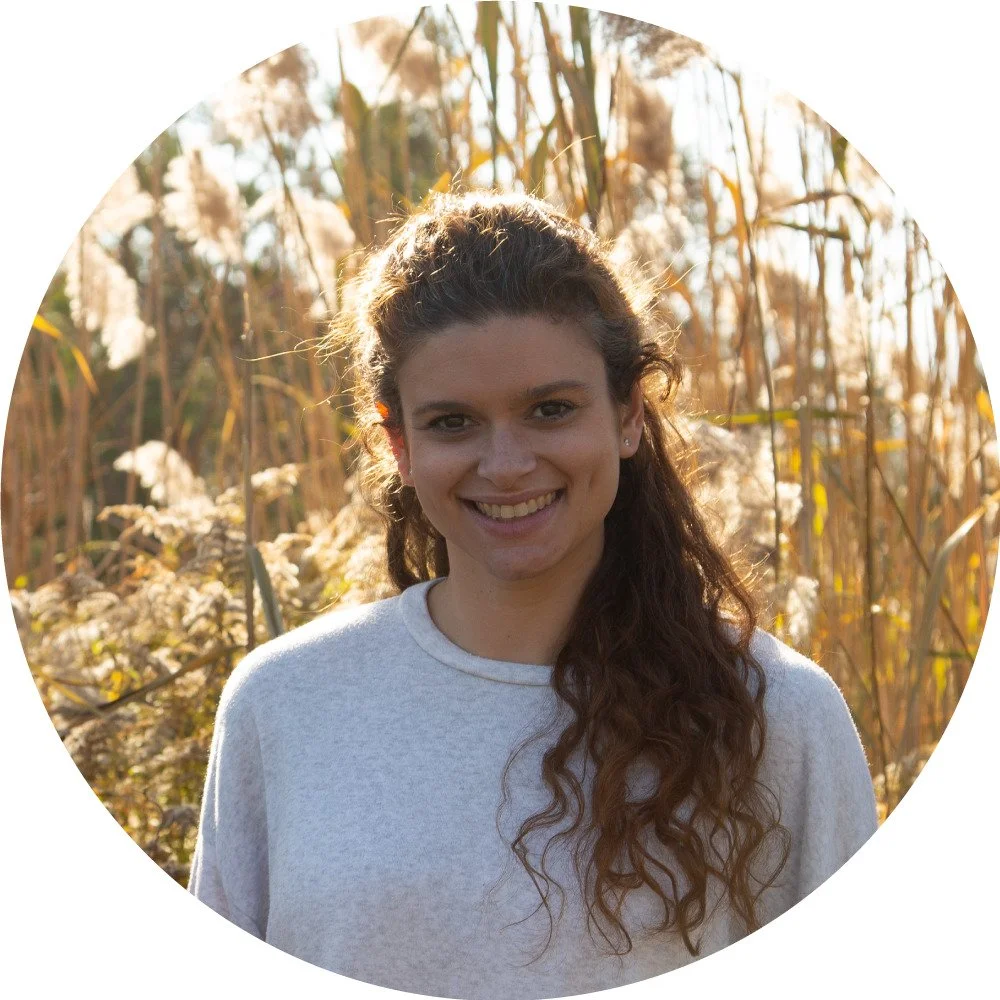
At Mini Minds, your child works directly with me, Amy Simon, every single session. Not a rotating team. Not a junior therapist after the first assessment. Me, with over 15 years of hands-on experience as a Senior Behaviour Therapist and a Child and Youth Worker.
I built Mini Minds as a boutique practice on purpose. It means I get to truly know each child, build a real relationship, and design a plan around their specific strengths and goals. I combine ABA, CBT, and play-based methods based on what your child actually needs, and I deliver therapy where they are most comfortable, at home, at school, or online across Toronto and the GTA. I work with families right across Toronto's east end, including Leslieville and Riverdale.
You can explore my full range of autism therapy services or read more about my background and approach.
Families are partners in this work, not bystanders. When parents have the right tools and a therapist who knows their child deeply, progress happens faster and lasts longer.
Amy Simon, Senior Behaviour Therapist, CYW (15+ years)
There are no long waitlists. In most cases, families can begin within a few weeks. Here is exactly how working together unfolds, from free consultation to ongoing support.
Frequently Asked Questions
What is the best therapy for a child with autism?
There is no single best therapy. The most effective approach is matched to your child's age, needs, and learning style, and delivered consistently. ABA, CBT, and play-based therapy each help different children in different ways, and many children benefit from a blend.
What types of autism therapy are available in Toronto?
Toronto families can access ABA, CBT, play-based therapy, social skills development, and early intervention, among others. Most children do best with a personalized combination rather than a single fixed method.
How much does autism therapy cost in Ontario?
Private autism therapy is usually billed hourly, with total cost depending on session frequency and what is included. Many families use private insurance reimbursement or medical expense tax claims to offset costs.
Is autism therapy covered by OHIP or OAP?
OHIP does not cover private autism therapy. The Ontario Autism Program offers funding, but only for use with OAP-approved providers. Mini Minds is a private practice and is not an OAP provider.
What age should autism therapy start?
As early as possible, since early intervention produces the strongest gains, but therapy helps at any age. It is never too late to support your child's growth.
What is the difference between ABA and CBT for autism?
ABA builds skills and reduces challenging behaviours through reinforcement, while CBT addresses the thoughts and emotions behind behaviour. My guide to CBT for autistic kids explains when each fits best.
You Don't Have to Figure This Out Alone
Choosing autism therapy is one of the most important decisions you will make for your child, and you deserve clear guidance and a therapist who genuinely knows your family. You do not have to navigate the options, the costs, or the waitlists by yourself.
The first step is simple, free, and carries no obligation. Book a free consultation and we will talk through your child's needs, your questions, and whether Mini Minds is the right fit. No pressure. Just a conversation about how to help your child thrive.